



Choosing the Right International School in Penang – A Comprehensive Guide for Parents
Selecting the right school for your child is one of the most important decisions you’ll make as a parent. For families living in or moving to Penang, the array of international schools can be both exciting and overwhelming. One school that many parents consider is POWIIS Tanjung Bungah, known for its strong academic programs, diverse international teaching staff, and nurturing environment. Each school offers different curricula, teaching philosophies, facilities, and extracurricular opportunities, so it’s essential to make a well-informed choice that aligns with your child’s needs and your family’s goals.
Here’s a guide to help you navigate the process.
1. Determine Your Child’s Learning Needs
Every child is unique, and understanding your child’s learning needs, interests, and strengths is the first step. Are they academically focused, creatively inclined, or do they thrive in sports and extracurricular activities? Consider whether your child prefers structured learning environments or more flexible, inquiry-based approaches.

2. Explore Curriculum Options
International schools in Penang offer a variety of curricula, including:
- British (IGCSE/A-Levels) – Often emphasizes academic rigor and critical thinking.
- American (AP/High School Diploma) – Offers flexibility and a broad range of subjects.
- IB (International Baccalaureate) – Focuses on holistic education, inquiry-based learning, and global-mindedness.
Understanding the curriculum, and a school’s approach to learning, will help you determine which path best suits your child’s educational goals and potential university plans. POWIIS Tanjung Bungah follows the British curriculum, providing students with a strong academic foundation and internationally recognized qualifications.
3. Consider Class Sizes and Teacher-to-Student Ratios
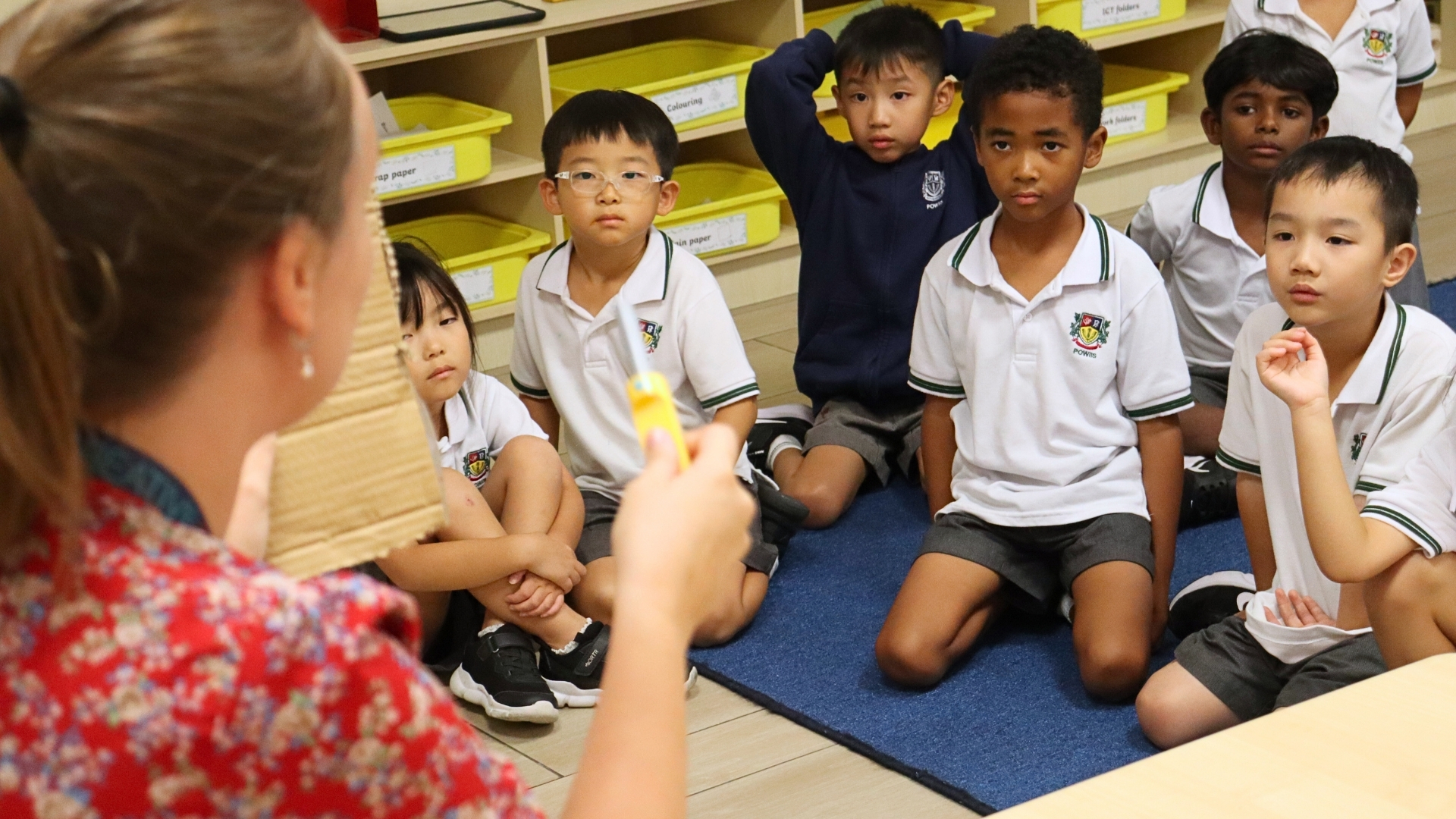
Smaller class sizes often mean more personalized attention, closer student-teacher relationships, and tailored support for each child. At POWIIS Tanjung Bungah, classes have up to 24 students, ensuring a balanced environment where students receive individual attention while also benefiting from peer interactions. Ask schools about their average class sizes, student-to-teacher ratios, and support for learners who may need extra help.
4. Evaluate Facilities and Extracurricular Opportunities
A school’s facilities can greatly enhance your child’s learning experience. POWIIS Tanjung Bungah provides ample playground facilities, well-equipped design technology lab, a 4G astroturf field for sports, and a swimming pool suitable for both beginner and advanced swimmers. The school also features a dance studio, music rooms, a common room for middle school students, and more, supporting a well-rounded educational experience.

Equally important are extracurricular programs, from sports and music to community service and leadership initiatives. These activities help develop well-rounded individuals and allow children to explore their passions.
5. School Culture and Values
Every school has its own ethos, community spirit, and values. Attend open days, school tours, or parent-student events to gauge whether the school environment aligns with your family’s expectations. Speak with teachers, parents, and students to understand the school culture and how it nurtures both academic and personal growth.
It is important to note that POWIIS Tanjung Bungah does not currently accept students with some specific special needs, as the school does not have a dedicated support team in place. Families seeking schools with specialized support should consider alternative options that provide tailored learning assistance.
6. Location and Accessibility
Penang’s traffic can be a factor, so consider the school’s proximity to your home or workplace. Accessibility, transportation options, and commute time are practical but important considerations for daily convenience. POWIIS Tanjung Bungah is conveniently located in Tanjung Bungah, providing easy access for families in Penang.
7. Enrollment Requirements
When considering international schools, it’s important to understand general enrollment requirements. Most schools assess students based on prior academic records, interviews, and sometimes placement tests to ensure they can thrive in the school’s learning environment.
At POWIIS Tanjung Bungah, children and parents meet with the Principal and students in Year 4 to Year 8 also submit a piece of writing and are assessed using the CAT4 (cognitive abilities test).
8. Budget Considerations
Tuition fees at international schools can vary significantly. Consider your family’s budget, but also weigh the value of the education, facilities, and overall experience. Some schools offer scholarships or financial aid, so it’s worth exploring these options.
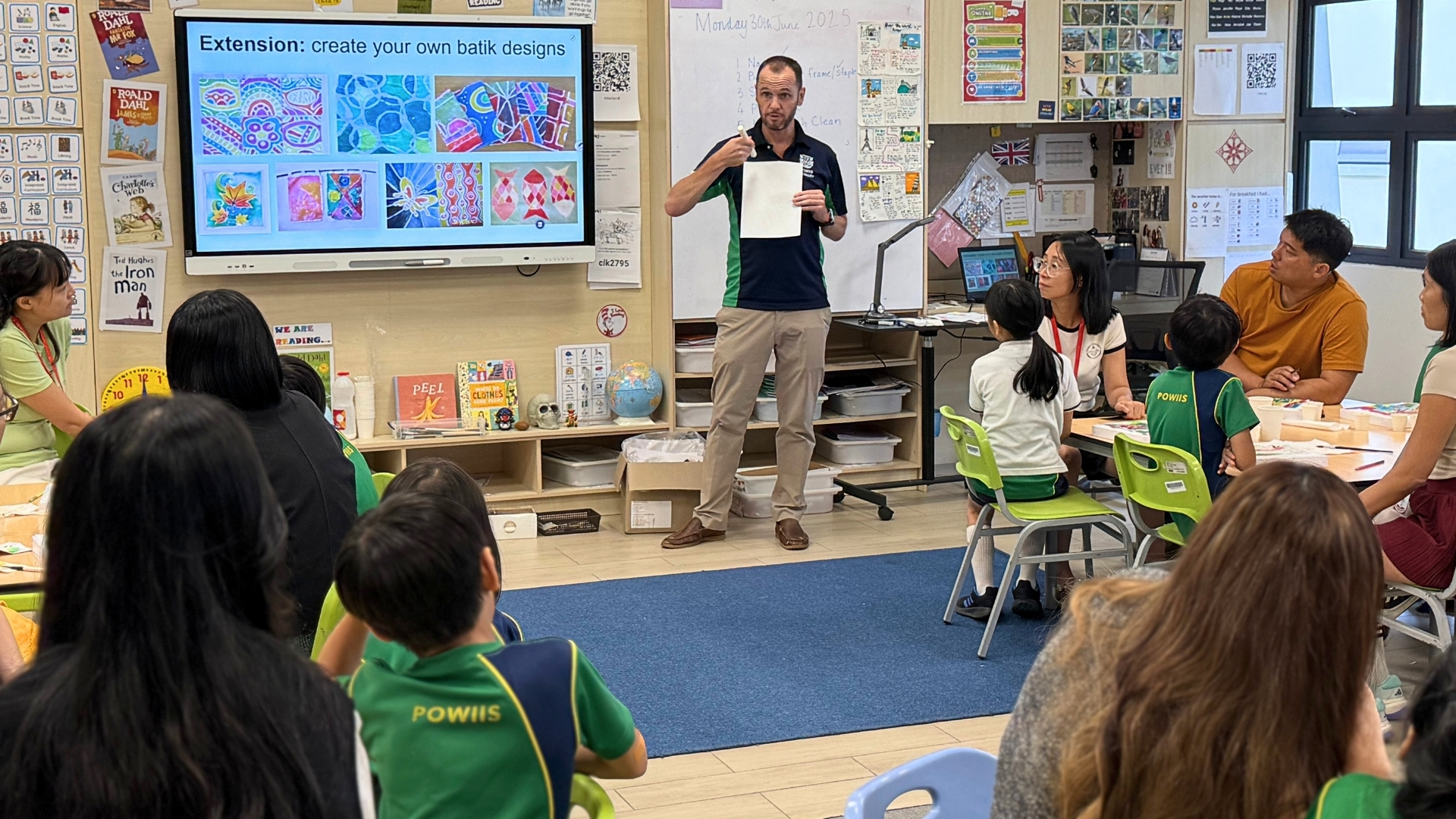
Another important aspect to consider is the teaching staff. Look at the composition of local versus foreign teachers, as this can affect teaching style, language of instruction, and exposure to global perspectives. For example, POWIIS Tanjung Bungah employs a teaching team where 80% are foreign teachers, bringing international expertise and experience into the classroom. Highly qualified local teachers typically serve as specialist teachers or teaching assistants, providing additional support in areas such as languages, music, or sports.
Understanding the teacher profile helps you evaluate the school’s approach to learning, quality of instruction and the environment your child will experience.
9. Reputation and Accreditation
Check the school’s reputation, accreditations, and inspection reports. Accredited schools meet international standards of education and offer recognized qualifications, which can be crucial if your child plans to study abroad in the future. POWIIS Tanjung Bungah is well-regarded for its academic excellence, international teaching staff, and comprehensive curriculum, making it one of the top international schools in Penang.
Final Thoughts
Choosing the right international school in Penang requires careful research, planning, and a deep understanding of your child’s needs. By considering curriculum, teaching quality, facilities, culture, enrollment requirements, and practical factors such as location and fees, you can make a choice that sets your child up for academic success and personal growth.
Remember, the best school for your child is not necessarily the most prestigious, but the one where they feel inspired, supported, and empowered to reach their full potential.