


Five Questions Every Parent Should Ask During an Open Day
Choosing an international school is about much more than finding a place where your child can improve their English. It is about choosing an educational environment in which they can grow academically, socially and personally over the years.
For international families, the transition to an English-speaking school can be an exciting opportunity. However, language development is only one part of the experience and should be underpinned by a broad curriculum, strong pastoral support and a strong sense of community which values your child and develops a genuine sense of belonging.
An Open Day is the ideal opportunity to decide whether a school is the right long-term fit for your child. Here are five important questions to ask during your visit.

1. Is international school the right environment for my child?
Every child responds differently to a new school environment. Before focusing on facilities or academic results, consider whether your child will feel comfortable learning in an international, English-speaking community.
Ask the school:
- How are new students welcomed and supported?
- How do teachers help children adjust to learning in English?
- How does the school support students from different cultural backgrounds?
- How are friendships and a sense of belonging encouraged?
A successful transition is not measured only by how quickly a child learns English. It is also reflected in their confidence, happiness, participation and willingness to engage with school life.
2. How does the school support English development alongside academic progress?
Some international students join a school specifically to strengthen their English. While language support is important, children should also continue developing their knowledge and skills across the curriculum.
Ask how English-language development is integrated into everyday learning and whether support is adapted to each student’s level. You may also wish to ask how the school monitors progress and keeps parents informed.
The goal should be for students to use English confidently as a tool for learning, communication and self-expression – not simply to pass a language assessment.
3. What does a broad curriculum, British education look like in practice?
A British curriculum is designed to develop much more than academic knowledge. A holistic approach encourages students to become curious, independent and thoughtful learners while developing creativity, communication, teamwork and resilience.
During your visit, ask how the school balances core academic subjects (English, Mathematics, Science) with:
- Art, music and performance
- Sport and physical education
- Design and technology
- Leadership and service
- Co-curricular activities
- Personal, social and emotional development
Look for evidence that these opportunities are an important part of the educational experience rather than occasional additions to the timetable.
4. How will the school help my child progress over the long term?
Children benefit most when a school understands their development over time. Remaining within a supportive learning community allows teachers to build a deeper understanding of a student’s strengths, needs and aspirations.
Ask how learning develops as students move through the school’s four stages and how each stage prepares them for the next. Find out how the school supports key transitions, subject choices and preparation for further study.
A school should be able to explain the complete educational journey – not only what your child will experience during their first term or first year.
5. Can I imagine my child becoming part of this community?
A school can look impressive on paper, but an Open Day allows you to experience its culture.
Observe how teachers speak to students and how students interact with one another. Ask current students what they enjoy about school, and speak to teachers about how they build relationships with the children in their care.
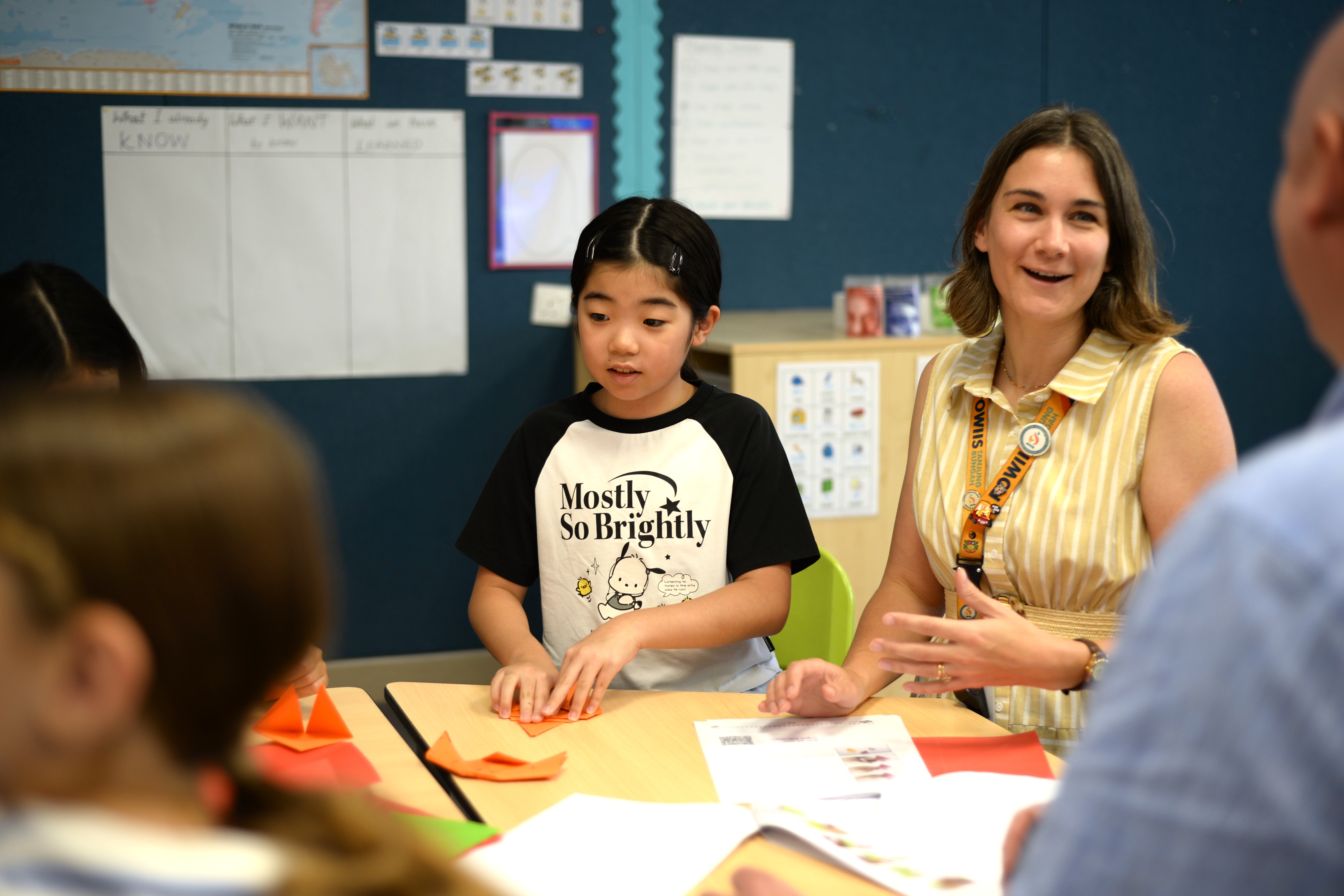
Consider whether your child will have opportunities to contribute, form meaningful friendships and develop a strong sense of identity. Families are more likely to remain with a school when both children and parents feel connected to its community and values.
Look Beyond the First Year
When visiting an international school, it can be tempting to focus on immediate priorities such as improving English or settling into a new country. These are important considerations, but choosing a school should also involve looking several years ahead.
Ask yourself:
- Will this school continue to challenge and inspire my child?
- Can it support their academic, personal and social development?
- Does its educational philosophy reflect our family’s values?
- Can we see our child completing a meaningful stage of their education here?
The right international school should provide more than a temporary experience. It should offer a stable, enriching environment in which your child can build confidence, discover their strengths and prepare for the future.
Visit POWIIS Tanjung Bungah
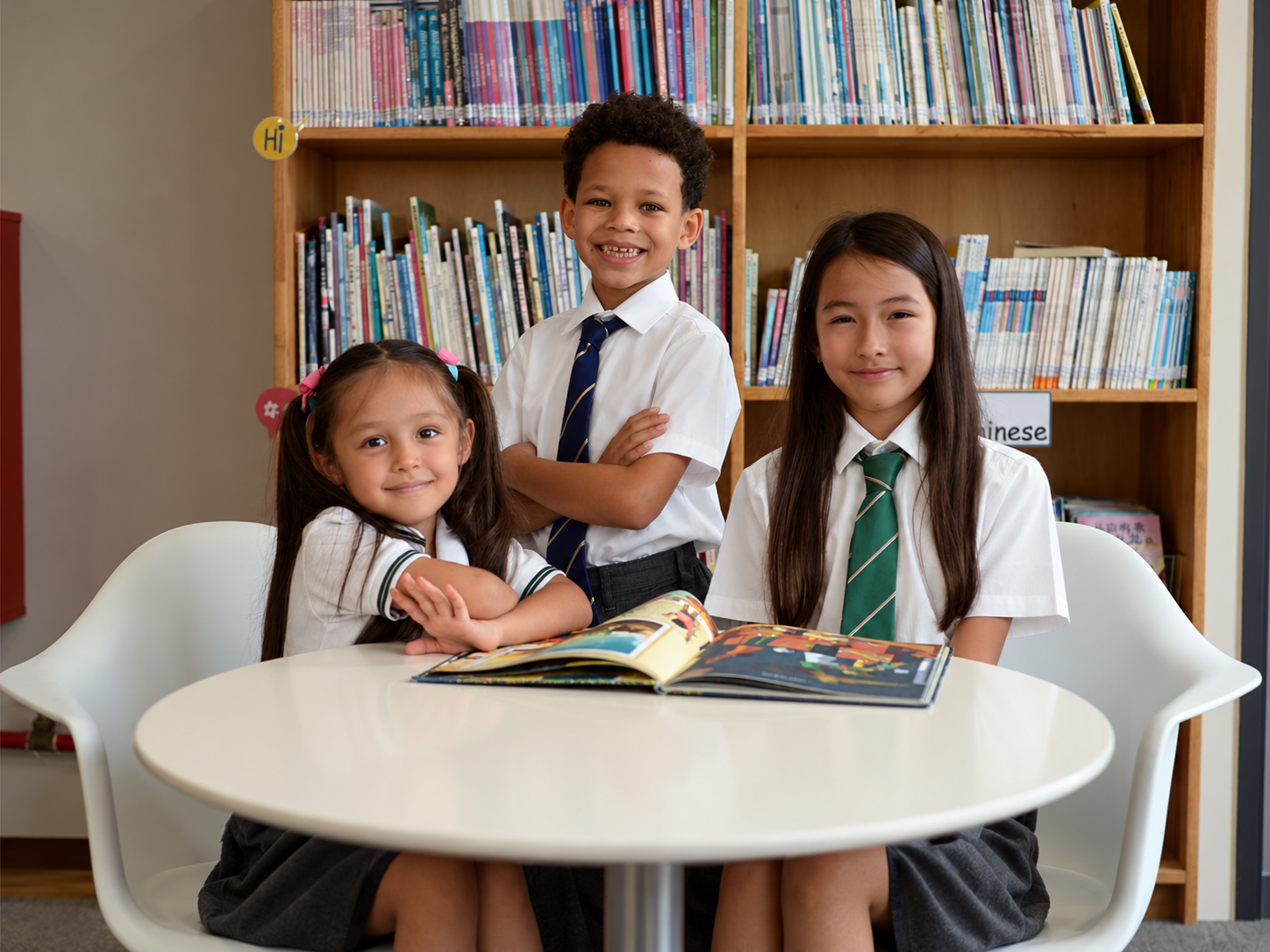
Look out for our Open Days, held every February and October, when families can meet our educators, explore our learning spaces and experience our international school community.
Private school tours are also available every Thursday during term time, excluding term breaks.
Register for Open Day: https://www.powiis.edu.my/tanjung-bungah/open-day/
Register for Private Tour: https://www.powiis.edu.my/contact-us/
Four Stages. One Journey.